While not many parents have the option to devote a tonne of time facilitating their children’s learning during the COVID-19 Pandemic, there are some factors to consider that help ease the process. Here are the top ten things you should keep in mind when helping your child learn from home.
Factor 1: The New Normal is Abnormal

First and foremost, consider that these are abnormal circumstances, and that any learning that is to happen, is happening in the midst of a world-wide crisis. There are a lot of feelings tied to this, and it is worth acknowledging your own child’s response…This post by a teacher is a good, guiding principle for those that are having a harder time coping with this new abnormal normal.
Trauma and stress in general do block the brain’s ability to absorb, process and retain information, so it’s always best to begin any learning facilitation from a place of compassion.
Factor 2: Learning Exceptionalities

What learning exceptionalities does your child have? Has your child been assessed for any exceptionalities and do they have an Individualized Education Plan (IEP)? If you haven’t looked at it yet, this is a good place to start. Does your child require visual or auditory aids? It would be unfair and unreasonable to expect them to get through a written article or text-based worksheets without assistance if they require a “modification” (teacher-speak for delivering the same content in a different mode, such as video). Exceptionalities include giftedness, autism, ADHD, and can even co-exist as multiple exceptionalities in a single learner. Recognizing this can help remove learning barriers, and allow you to meet your child wherever they are on their learning journey.
Factor 3: Age & Developmental Stage

Consider your child’s age and / or developmental stage. The brain develops in phases, so it’s important to keep your child’s readiness in mind. No child I’ve ever met learned to run before they learned to crawl.
Factor 4: Prior Learning

What has your child learned already? Have they learned the alphabet but are only starting to learn phonics (the ability to hear, identify and manipulate phonemes — distinct units of sound). Or have they learned to write basic sentences, but have yet to combine multiple sentences into a thematic paragraph?
Teaching and learning are all about scaffolding — the idea of moving learners progressively towards deeper understanding and greater complexity.
Factor 5: The Subject

What subject are you focusing on? Traditionally, subjects depend on grade level / developmental stage, and they are divided relatively neatly into areas such as Literacy, Numeracy, Social Studies, Physical Education, etc.
It may be helpful to refer to the Ontario Curriculum documents for elementary and secondary grades to see what your child is expected to have learned by the end of this year.
In more flexible learning environments, such as perhaps right now, it may be helpful to combine multiple subjects into single learning experiences.
Factor 6: Your Child’s Interests, Talents, and Abilities
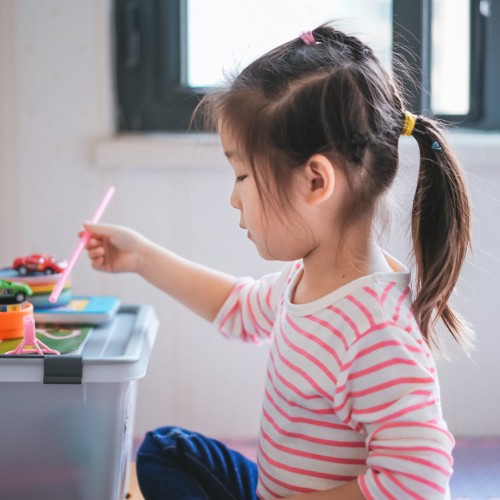
While this is currently listed as the 6th item on this list, it belongs equally in the first slot…Tapping into your child’s natural sense of curiosity and wonder will not only motivate their learning, it will increase the chances of making any such learning a positive experience, and raise the likelihood of the topic being remembered. Your child’s interest provides a door through which you can impart many lessons.
Factor 7: Make Learning Social

If possible, connect to other parents and their children, and coordinate discussions (likely unlikely for many families, but worth mentioning). Otherwise, engage your child in conversation about what they learned and eek out their opinion on the subject. Ask open-ended questions, offer encouragement, and create space for them to be heard.
Factor 8: Embrace Informal Learning

Allow for informal learning to happen and count that it too contributes to your child’s overall base of knowledge. So let them disconnect, watch that YouTube video, read a comic or play that video game. Then, try again. And again. If you don’t already, include them in meal preparation, laundry, budgeting, and other tasks that need doing. Life skills such as these should be part of any child’s learning, in and out of school.
Factor 9: None of This Will Work All the Time, Always

Despite all your hard work and consideration, sometimes no amount of attention to the above will make your efforts land the way you expect them to…. This is ok, even the most experienced teachers go through this and this is also part of the learning process. Sometimes your child will be especially resistant, throw a fit, have a meltdown — and you may feel like you’re on the verge of one too. Take a breather… As the first factor suggests, the most important thing here is that you remain connected to your child.
Factor 10: Reflect

Consider what worked well and what didn’t. Teachers are taught to approach their practice through constant self-reflection. What would you do again? What would you do differently next time? Take note. Tomorrow is a new day.
 sp*rk curiosity