A FINtastic, JAWsome, SHARK WEEK-inspired
Science & Technology + Media Literacy Cross-Curricular 2-Part Lesson
Sharks in the Water: Sustainability of Water Resources
I’m so happy to share my first FREE TeachersPayTeachers resource! It’s definitely a labour of love, with many lessons learned along the way (i.e. that there’s a limit on how many pages my free resource can be).
As a former Discovery Canada Shark Week digital producer, I developed a great love and respect for this critical anchor species. Through my time at Discovery, I pushed to change the narrative on how sharks were depicted during Shark Week and beyond, and created several digital resources to help raise awareness of just how diverse sharks are (through our Sharkopedia) and how human actions are impacting the sustainability of our Oceans (and, in turn, us!). I’m thrilled to combine this experience with my love of teaching into this limited-time free resource.
Due to TpT’s upload size limits, I am providing additional resources in this post, including the suggested talking points for the two Prezi mini-lessons below, to help better flesh out the presentations.
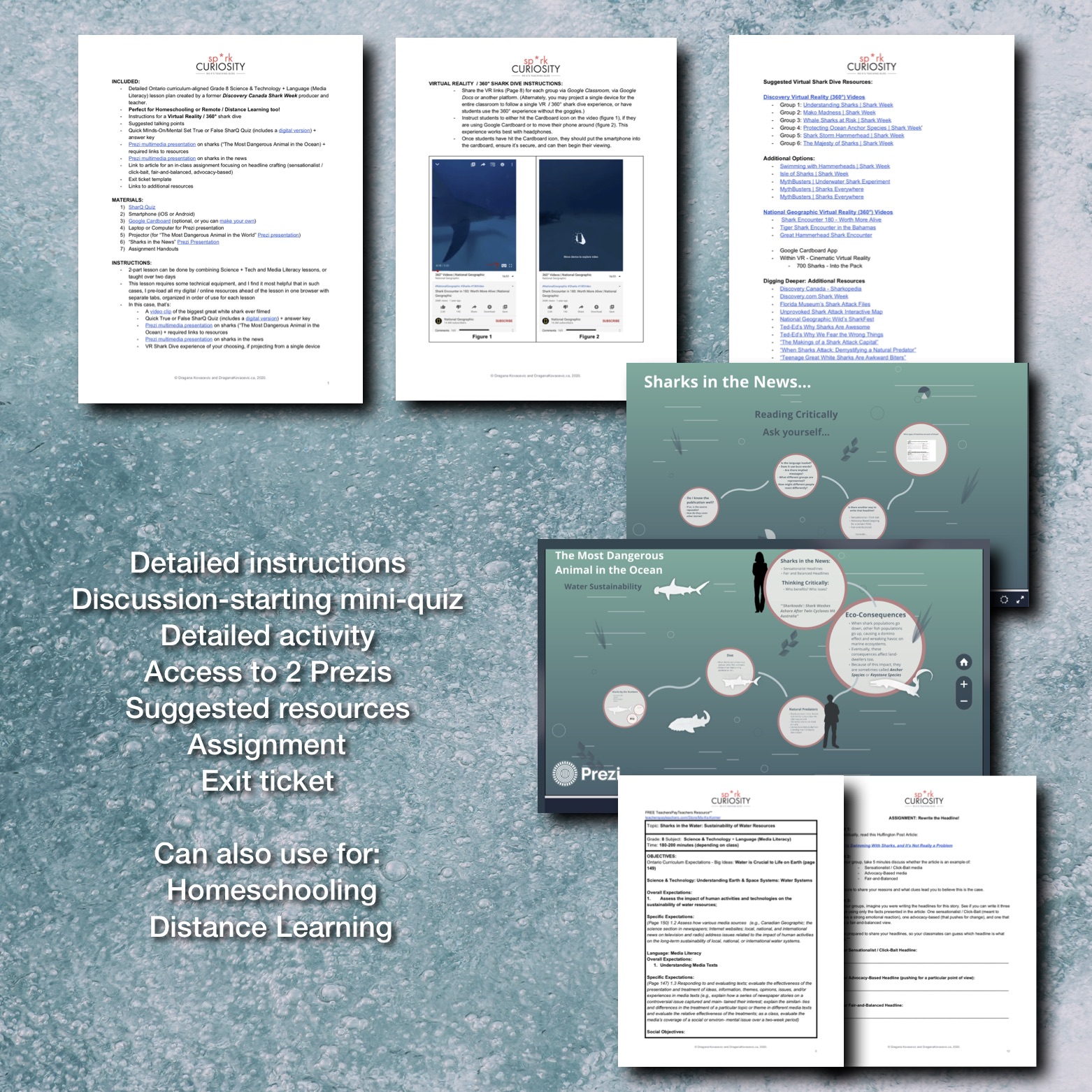
INCLUDED IN THE LESSON:
- Detailed Ontario curriculum-aligned Grade 8 Science & Technology + Language (Media Literacy) lesson plan created by a former Discovery Canada Shark Week producer and teacher.
- Perfect for Homeschooling or Remote / Distance Learning too!
- Instructions for a Virtual Reality / 360° shark dive
- Suggested talking points
- Quick MInds-On/Mental Set True or False SharQ Quiz (includes a digital version) + answer key
- Prezi multimedia presentation on sharks (“The Most Dangerous Animal in the Ocean) + required links to resources
- Prezi multimedia presentation on sharks in the news
- Link to article for an in-class assignment focusing on headline crafting (sensationalist / click-bait, fair-and-balanced, advocacy-based)
- Exit ticket template
- Links to additional resources
MATERIALS:
- SharQ Quiz
- Smartphone (iOS or Android)
- Google Cardboard (optional, or you can make your own)
- Laptop or Computer for Prezi presentation
- Projector (for “The Most Dangerous Animal in the World” Prezi presentation)
- “Sharks in the News” Prezi Presentation
- Assignment Handouts
INSTRUCTIONS:
- 2-part lesson can be done by combining Science + Tech and Media Literacy lessons, or taught over two days
- This lesson requires some technical equipment, and I find it most helpful that in such cases, I pre-load all my digital / online resources ahead of the lesson in one browser with separate tabs, organized in order of use for each lesson
- In this case, that’s:
- A video clip of the biggest great white shark ever filmed
- Quick True or False SharQ Quiz (includes a digital version) + answer key
- Prezi multimedia presentation on sharks (“The Most Dangerous Animal in the Ocean) + required links to resources
- Prezi multimedia presentation on sharks in the news
- VR Shark Dive experience of your choosing, if projecting from a single device
Part 1: Video of the Largest recorded shark
Suggested Talking Points:
- For many of us, when we hear “shark” we think this image – The Great White.
- And with reason, they are skilled apex predators. Skilled enough to have made it past several mass-extinctions and over millions of years.
- But statistically, it’s actually the person in the cage we should be worried about. Before we get to that, let’s see what we really know about sharks?
Part: 2: Quiz: Group SharkQ (Shark Quiz) – 3 Questions
Suggested talking points: Popcorn Style
– Alright, so that’s a start – now let’s see what else we know about sharks.
Let’s test our SharkQ. It’s a quick true-or-false. And it’s ok if you don’t know the answer, just give it your best shot – popcorn-style, share the answer.
Part 3: The Most Dangerous Animal in the Ocean Mini-Lesson
Suggested Talking Points for Prezi:
- We’re probably only familiar with a handful of shark species, but there are over 400 found throughout the world’s oceans, and 20 of them in Canada alone
- They can be found even more inland, in the freshwaters of rivers, like the St. Lawrence, though this is rare.
- They can range from a 20 cm-long dwarf lanternshark – about the length of your average pencil, to a 12 metre-long whale shark. That’s about as big as a bus.
- Most sharks are carnivorous and eat fish (including other sharks) as well as larger animals such as seals. Others, like the whale shark and the basking shark, filter feed on tiny plankton or krill. So, very passive feeders.
- Despite their fearsome reputation as ruthless predators, statistically, sharks are much more likely to be killed by humans than humans are by sharks. Even as more and more humans take to the beach.
- Can you think of some reasons why sharks are in trouble?
- Shark Fin soup, and shark meat, medicinal purposes (specifically, shark liver)
- Occasionally, there are shark culls, such as the one that took place in Perth, Australia not too long ago.
- By-catch – Unintentional capture of non-target species in commercial fisheries.
- In Canada, especially by longline fisheries targeting tunas, swordfish
- This is the most significant threat to sharks in Canadian waters
- Climate change, pollution and coastal development can have serious impacts on marine habitats
- 100 million sharks killed worldwide annually
- Humans? In 2015 – a record year for shark attacks, mind you – saw only 6!
- You’re three times more likely to die from a vending machine fatality than a shark
- We still know very little about the distribution of sharks in Canadian waters or about how they live…how they mate. There is a tonne they can teach us – including how they’ve managed to survive on Earth. Sharks have a remarkable immune system – so for researchers looking into finding cures, they are a good species to investigate.
- More than that, our very survival depends on their survival more directly. They keep our marine ecosystems balanced.
- This is why they are called an Anchor Species or Keystone Species.
- Is this the story we often get about sharks though?
- What do you typically see or hear in the news about sharks?
- Shark attacks!
- Is this a fair and balanced way to portray sharks?
- Sharks are slow-growing and slow to procreate (unlike prey, which have to have a high reproduction rate to survive)
- When shark populations decline, other fish populations go up. When other fish populations go up, their prey populations go down, and when they feed on plant and algae, and when these aren’t kept in check, they overgrow coral reefs, and affect other systems which in turn affect us here on the surface. Like a domino affect.
- This complexity reality isn’t always reflected in the media.
- We are going to explore that in greater depth shortly.
Part 4: Sharks in the News Mini-Lesson
Suggested Talking Points for Prezi:
- When you are trying to determine whether a news story can be trusted, ask yourself the following:
- Do I know the publication well?
- Are they reputable?
- How do they cover other stories?
- Does the feature use loaded language?
- Does it use buzz words?
- Are there implied messages?
- What different groups, stakeholders, voices and points of view are represented?
- How would different audiences respond to this story?
- Is there another way to write that headline?
- Do I know the publication well?
- Consider 3 types of headlines:
- Sensationalist / Click-bait
- Advocacy-Based (arguing for a certain point of view)
- Fair-and-Balanced
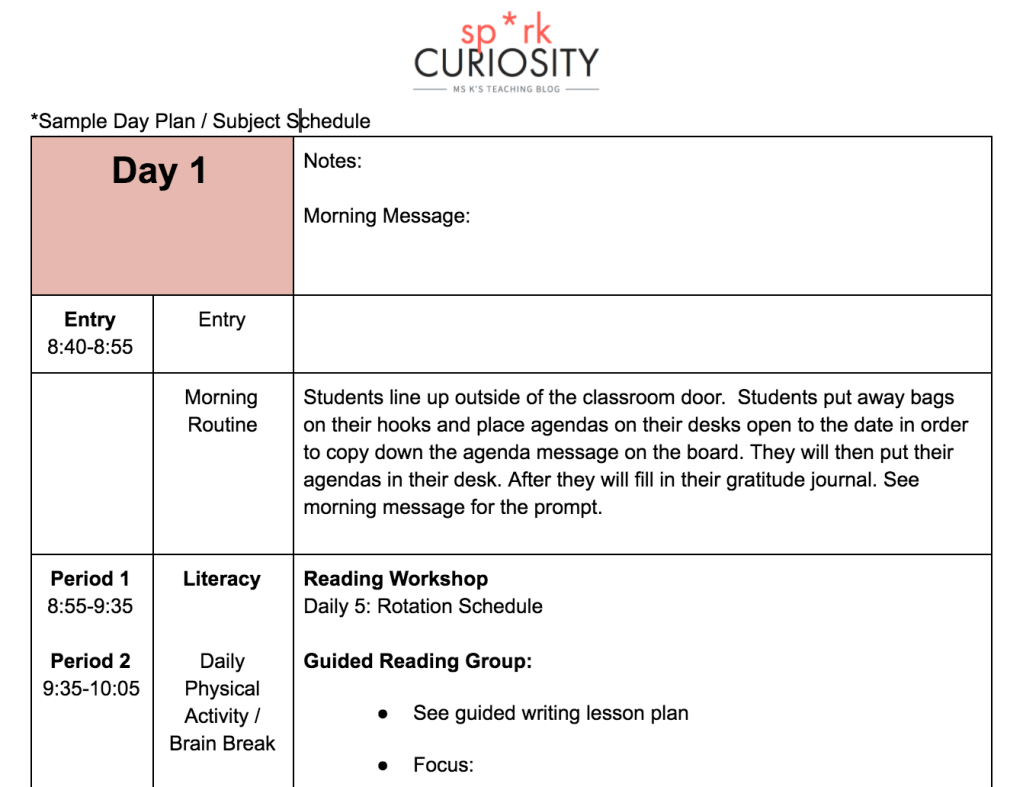
FREE Lesson & Day Plan Templates:
 sp*rk curiosity